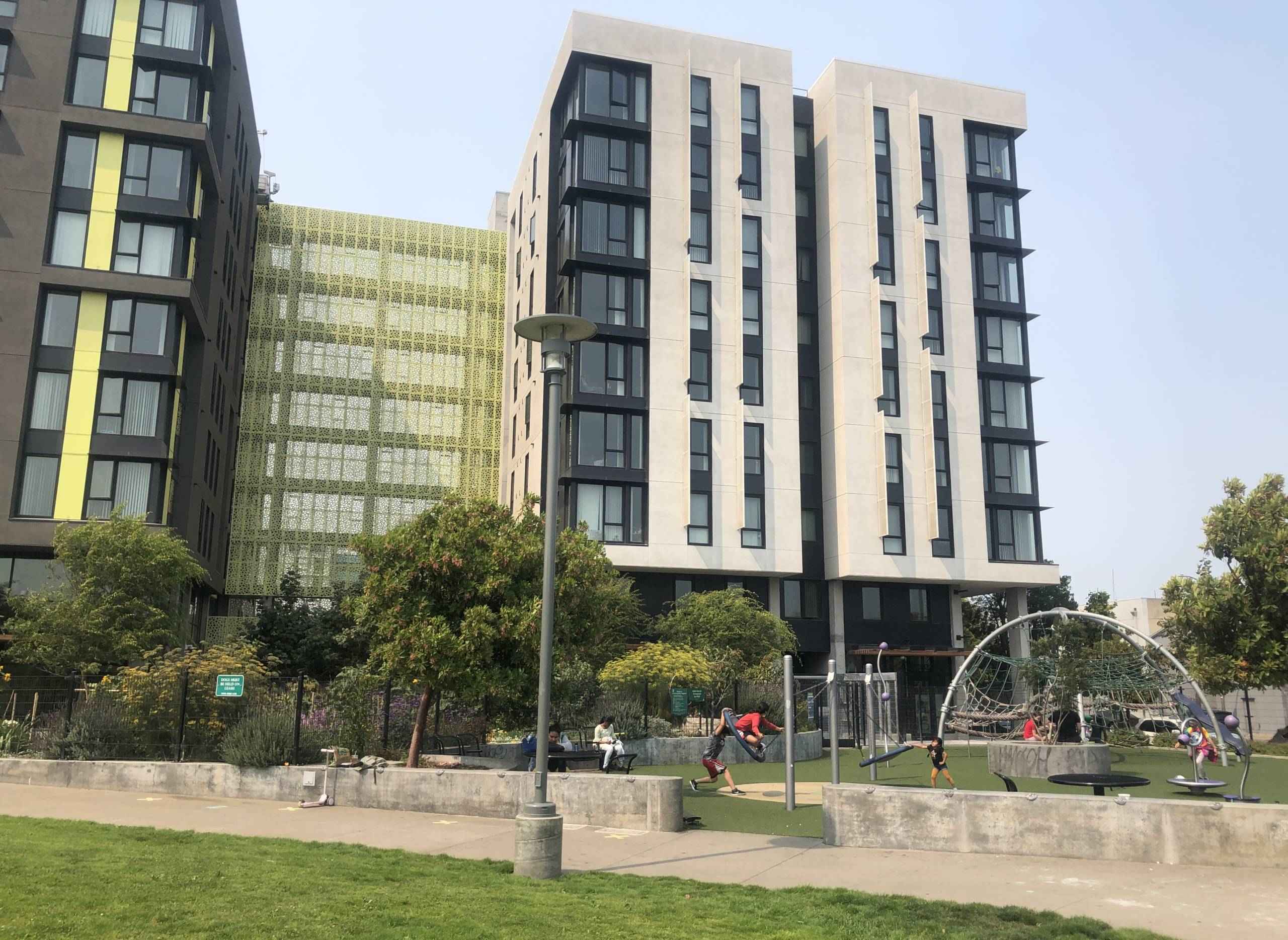
Our city is working on a new version of is Comprehensive Plan, a document that will shape housing in Arvada for a decade to come. With your help, we want to make sure it gets shaped in the right direction.
We have four key goals to make sure Arvada grows in a sustainable, affordable way.
In most of Arvada, you have two options: detached single-family homes, or midrise apartments. Arvadans deserve more choice. We propose that Arvada's new comprehensive plan legalizes missing middle density: duplex, triples, mother-in-law houses, and other forms of "middle density" besides big apartment buildings.
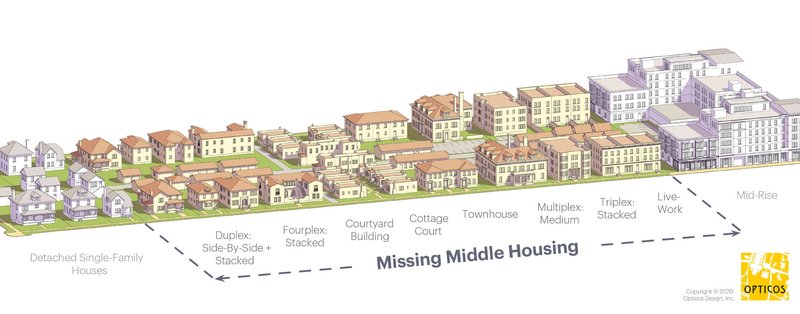
Even in our existing mixed-used and transit zones, these forms of housing require multiple hearings and a special-use permit. All the red tape is making housing more expensive for Arvadans, especially those who want to buy their first home. We want to simplify the approval process—in areas near transit, these forms of housing should be permitted by-right.
Olde Town Arvada proves it—Train stations are more fun with things to do near them. Unfortunately, not every station in Arvada has equal amenities. Some, like the 60th and Sheridan and Wheat Ridge/Ward stations, have parking lots and little else.
We propose that the city allow a greater diversity of experiences near these stations—Restaurants, bars, and other amenities that give people a reason to stop by.
Right now the city of Arvada dictates the same parking requirements for every building, regardless of location. This makes no sense for housing built near a train or a high-frequency bus station.
We're not saying to eliminate parking. But the one-size-fits-all model is costly, inefficient, and wastes space. We should relax these requirements near transit, so builders and business owners can right-size their parking for the needs of their clients and tenants.
Like most of the Denver Metro region, Arvada has an aging population that is expected to grow over the next few decades. As people get older, have their kids move out, and retire, the same house they may have purchased in the 1980s might no longer make sense for their needs—but right now, they'd have to leave their communities if they want to downsize.
It doesn't have to be this way. A few small changes to our zoning code could make it easier for seniors to keep living in their community.